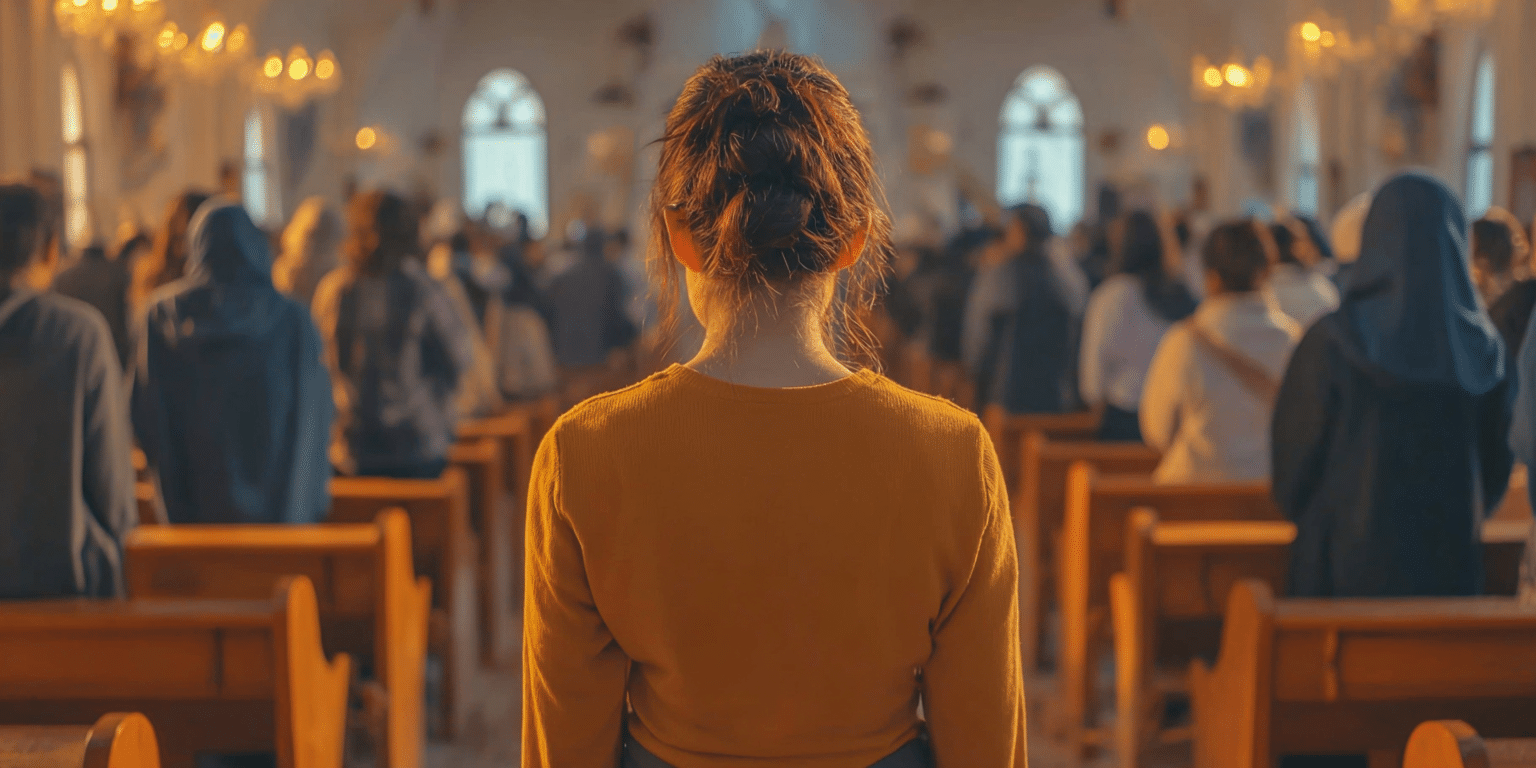

Leaving a tight‑knit faith community can feel like sprinting out of a burning building—your lungs finally fill with clean air, yet the smoke of old doctrines still clings to your clothes. If that image resonates, you’re not alone. Many Charlotte residents are quietly navigating the fallout of harmful religious experiences and wondering where to turn for help.
What Is Religious Trauma?
Defining Religious and Spiritual Trauma
Religious trauma describes the psychological wounds that arise when faith communities—or the doctrines that guide them—use fear, shame, or coercion to control members. The constellation of symptoms often goes by the name religious trauma syndrome (RTS), a cluster first described by psychologist Marlene Winell. RTS is not yet listed in the DSM‑5, but clinicians recognize it as a valid trauma response. Religious trauma differs from spiritual abuse in that it is a systemic experience associated with the religion as a whole, while spiritual abuse is typically between individuals.
Spiritual abuse fuels RTS. It happens when leaders—or entire systems—wield sacred texts or divine authority to dominate. Victims may be threatened with eternal damnation, shunned for questioning leadership, or pressured to suppress identity facets like sexuality or gender. Many religious traditions emphasize obedience and purity, leading to deep-seated shame and anxiety among their followers. Over time, spiritual abuse erodes self‑trust and distorts a person’s sense of safety in the world.
A major driver of religious trauma in the U.S. is purity culture—the belief that one’s worth hinges on strict sexual behavior codes. Survivors often report chronic shame and difficulty forming healthy relationships.
Common Signs and Symptoms
Religious trauma isn’t “just in your head.” Survivors frequently navigate both emotional and physical fallout, including:
- Persistent guilt or unworthiness
- Hyper‑vigilance (e.g., scanning for sin or divine punishment)
- Nightmares or flashbacks of sermons, rituals, or punitive teachings
- Difficulty trusting relationships or institutions
- Somatic complaints—stomach upset, headaches, muscle tension—without medical explanation
- Self-hatred, shame, perfectionism, and difficulty making decisions
If these experiences sound familiar, know that your reactions are normal responses to prolonged stress, not a lack of faith or personal weakness.
How Religious Trauma Differs From PTSD
Classic post‑traumatic stress disorder often stems from discrete events like accidents or assaults. Religious trauma builds slowly, sometimes over decades, through repeated threats of hell, strict gender roles, or the policing of thoughts. Because the source is entwined with identity and community, leaving can feel like ripping out social roots while still fearing divine retribution.
Clinicians also note unique cognitive themes—existential dread, loss of meaning, and spiritual fragmentation—that extend beyond standard PTSD criteria. These layers require therapy that addresses both psychological and existential wounds. Many individuals struggle to heal from religious trauma because it affects their core identity, relationships, and worldview.
Coming Up: In the next section we’ll explore why specialized therapy matters and how evidence‑based modalities can help you rewrite harmful core beliefs.
Why Religious Trauma Therapy Matters
Lasting Impact on Mental Health & Self‑Worth
Leaving religion is no small life change. Pew Research Center surveys show that roughly one in five adults worldwide has switched out of the faith they were raised in. For many, the exit brings relief—but also lingering guilt, anxiety, and identity loss.
Chronic stress from harsh doctrine can show up as sleep problems, depression, or even autoimmune flare‑ups. A review of spirituality and mental health notes that negative religious experiences—like being told you’re inherently sinful—are linked to higher rates of anxiety disorders and lower self‑esteem. In plain English: what happens in the pew rarely stays in the pew.
Religious Trauma Syndrome: An Emerging Concept
Clinicians now describe these layered wounds as religious trauma syndrome (RTS). An Industrial Psychiatry Journal report argues that RTS is to religion what complex PTSD is to interpersonal abuse—debilitating, pervasive, and worthy of specialized care even though it hasn’t yet made it into the DSM‑5.
Barriers to Seeking Help Within Faith Communities
Here’s the catch: people harmed by religion often hesitate to contact a therapist. Studies find that highly religious adults were less likely to see secular mental health providers, preferring clergy instead. While pastors can be compassionate first responders, most aren’t trained to treat trauma.
The APA Foundation guide for faith leaders urges deeper partnerships between clinicians and congregations so survivors don’t fall through the cracks. Until that collaboration is common, trauma‑informed therapy remains the surest path to recovery. Therapists need to create a safe and inclusive environment where individuals can explore their religious trauma without fear of judgment.
Next Up: We’ll unpack the nuts and bolts of religious trauma therapy—modalities like EMDR and IFS, and how they help you rebuild trust in yourself and the world.
How Religious Trauma Therapy Works
Trauma‑Informed, Evidence‑Based Modalities
A qualified therapist tailors treatment to your history and goals, often drawing from approaches such as EMDR to process distressing memories, Internal Family Systems (IFS) to unblend critical inner voices, or Somatic Experiencing to release trauma stored in the body. These methods lower physiological arousal, soften shame, and build new neural pathways of safety. Therapists who specialize in religious trauma help individuals navigate their spiritual journeys while addressing the trauma they have experienced.
Rebuilding Core Beliefs and Meaning‑Making
Therapy invites you to examine inherited doctrines and decide what still fits. Through gentle cognitive restructuring and narrative work, clients replace “I’m bad” with “I deserve respect,” and learn to differentiate intrinsic values from imposed rules.
Integrating or Redefining Spiritual Practices
Some survivors keep faith, others walk away. Either path can be healthy. Therapists may incorporate grounding rituals like breath prayers, meditation, or nature walks to foster a sense of connection—religious or secular—that feels authentic.
Finding the Right Therapist in Charlotte
Credentials and Experience to Look For
Seek a licensed mental health professional with advanced trauma training and experience treating religious or cultic abuse.
Questions to Ask in a Consultation
- How do you define religious trauma?
- Which evidence‑based modalities do you use?
- Are you comfortable working with clients who want to keep (or leave) their faith?
- How do you practice cultural humility when discussing belief systems?
Considering Fit for Your Faith Background—or Lack Thereof
Charlotte’s spiritual landscape ranges from large evangelical churches to vibrant interfaith spaces. A good therapist respects your background without imposing their own beliefs.
Virtual vs. In‑Person Options
Therapy Group of Charlotte offers both in‑person sessions in South End and secure telehealth across North Carolina. Find a therapist near you. Choose what feels safest and most convenient.
Coping Strategies You Can Start Today
- Grounding techniques like 5‑4‑3‑2‑1 bring you back to the present during flashbacks — try these grounding techniques in a quiet space.
- Practice daily self‑compassion exercises to counter inner criticism.
- Set firm boundaries with family or clergy who minimize your experience—simple scripts (“I’m not discussing that right now”) protect your peace.
- Build community through support groups, exvangelical meet‑ups, or secular recovery circles in Charlotte; shared stories reduce isolation.
If you feel unsafe or overwhelmed, reach out to a crisis line or schedule therapy—self‑help is a bridge, not a substitute, for professional care.
Your Healing Path Forward
Post‑Traumatic Growth and Reclaiming Spiritual Connection
Many survivors eventually experience post‑traumatic growth—a deeper appreciation for life and a clearer sense of personal values. Therapy helps transform wounds into wisdom. Healing from religious trauma is a deeply personal journey that requires time, patience, and support.
How Therapy Supports Long‑Term Well‑Being
Regular sessions reinforce coping skills, nurture healthy relationships, and track progress. Over time, clients report improved sleep, reduced anxiety, and a renewed sense of self‑trust.
When to Seek Higher Levels of Care
If intrusive memories, self‑harm thoughts, or severe dissociation persist, intensive outpatient programs or brief hospitalization can offer extra support. A therapist will guide you toward the right level of care.
Closing & Next Steps
Religious trauma cuts deep, but it doesn’t have to define your future. With evidence‑based therapy, supportive community, and self‑compassion, healing is not only possible—it’s within reach. If you’re ready to breathe easier, Therapy Group of Charlotte is here to help.
Schedule your first appointment today—no long waitlists, just expert care when you need it most.
Frequently Asked Questions About Religious Trauma Therapy
What is the difference between religious trauma and spiritual abuse?
Religious trauma is a systemic experience involving harmful or abusive practices within a religious group or community that deeply impact an individual’s core beliefs, identity, and overall well-being. Spiritual abuse, on the other hand, typically refers to interpersonal harm where religious leaders or individuals use spiritual authority to exert control or manipulate others within a religious context.
How does religious trauma therapy address psychological distress?
Religious trauma therapy provides a safe space where therapists use a trauma informed approach to help clients process their traumatic experience, challenge harmful beliefs, and develop healthier coping mechanisms. Through evidence-based treatment options such as mindfulness practices and cognitive restructuring, therapy supports emotional regulation and promotes healing of the nervous system and spiritual well-being.
Can religious trauma therapy help if I want to maintain my spiritual beliefs?
Yes, therapy respects your spiritual path and personal spiritual beliefs. It is designed to support you in integrating or redefining your spirituality in a way that feels authentic and safe, without pushing you to abandon your faith. The therapeutic relationship focuses on your own experiences and healing journey.
What are common symptoms of religious trauma?
Individuals who have experienced religious trauma may face heightened levels of anxiety, self-hatred, shame, difficulty making decisions, and a distorted perception of self-worth. These symptoms can vary widely and often deeply impact mental health, sometimes leading to mental disorders like depression or posttraumatic stress disorder.
Why is cultural sensitivity important in religious trauma therapy?
Cultural sensitivity ensures that therapists respect and understand the diverse religious beliefs, cultural backgrounds, and spiritual practices of clients. This approach creates a supportive space where individuals can explore their experiences without fear of judgment, fostering trust and promoting effective healing within the therapeutic relationship.
How does religious trauma therapy support posttraumatic growth?
Therapy helps individuals rebuild a sense of safety, set boundaries, and cultivate self-care practices. By addressing cognitive distortions and fostering self-compassion, clients can experience posttraumatic growth—finding new meaning, resilience, and a renewed sense of overall well-being after trauma.