Therapy Group of Charlotte
Dr. Jessica Groleau, Ph.D.
What comes after the hardest thing you've been through



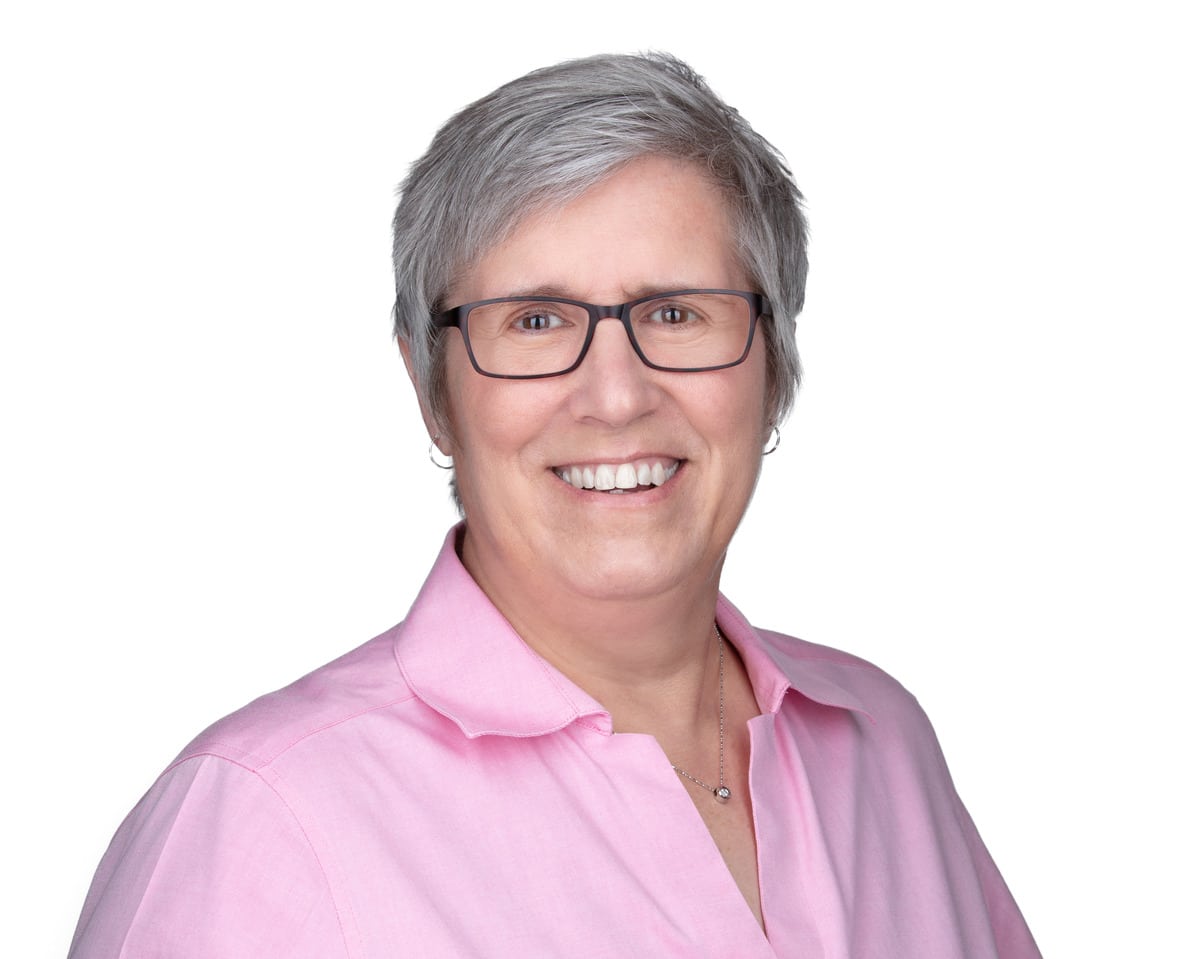
About Dr. Groleau
Something hard happened, or is happening, and you’re managing — but managing has started to cost more than it should. Maybe you can’t tell anymore whether you’re coping well or just used to it. I work with people in exactly that place, and I believe the goal isn’t to get back to who you were before, but to find out who you are on the other side of it.
I spent a good part of my career researching post-traumatic growth — what actually allows some people to come through difficult experiences with more, rather than less. That research shapes how I work: I take what happened to you seriously without treating you as damaged by it, and I pay close attention to the strengths you brought into this room without noticing you had them.
“I’ve never met someone whose difficult experience left them with nothing. It usually leaves people with something they haven’t had the chance to look at yet.”
Jess Groleau, Ph.D., Therapist Charlotte
My Approach
I draw on cognitive behavioral therapy for the practical work — understanding how thoughts, feelings and behavior keep feeding each other, and interrupting that loop somewhere useful. Alongside it I use acceptance and commitment therapy, which is less about eliminating hard feelings than about loosening their grip so you can spend your energy on what matters to you. And I work interpersonally, because most of what people carry was formed in relationships and gets worked out in them too.
I tend to offer more support than challenge, and to focus on feelings more than analysis. I’m not going to push you faster than you want to go — I’ve found that people move further when they aren’t braced against the person they’re talking to. If you’ve had a therapist who felt like an exam, I’m probably not that.
Interested in working with Dr. Groleau?
Take the first step — we’ll help you get started.
A significant part of my practice is fertility work. I see people through the long, disorienting middle of trying to conceive — the treatment cycles, the losses, the way it reorganizes a marriage and a calendar and a sense of the future — and I conduct third-party reproduction evaluations for fertility clinics, the psychological consultations required when treatment involves a donor or a gestational carrier. Infertility is one of the few griefs that comes without any of the usual scaffolding: no ritual, often no one to tell, and a great deal of advice from people who mean well. It is also, in my experience, one of the places where the research on growth after hard things turns out to be most true.
I trained almost entirely here in Charlotte — my doctorate, my internship and my postdoctoral fellowship were all at UNC Charlotte — and I worked in college counseling centers in the early part of my career, which is where I got used to sitting with people at the exact moment their life stopped going the way they’d planned. Alongside fertility, a lot of my work is with trauma, with women navigating change they didn’t choose, and with people rebuilding a sense of themselves after something has knocked it loose.
If you’re carrying something heavy and you’d like company while you figure out what it has made of you — I’d be glad to do that work with you.
Educational Background
Common Questions
Mostly I want to hear what’s been going on, at whatever pace feels manageable. You don’t have to tell me the hardest part in the first hour — a lot of people don’t, and that’s fine. I’ll ask what you’re hoping is different a year from now, because that tends to be a more useful question than what’s wrong. By the end I’d like you to have a sense of whether it felt safe to talk to me, since that matters more than almost anything else in how this goes.
It’s the finding that people don’t only come out of difficult experiences diminished — many come out with something they didn’t have before: clearer priorities, deeper relationships, a different sense of their own strength. I researched it because it complicates the standard story about trauma in a way I think is true. It doesn’t mean what happened was good, or that you should be grateful for it. It means the aftermath isn’t only damage, and part of my work is helping you notice the other part.
Not on any schedule but your own. Some people want to go straight at it; others need months of steady ground first, and both work. What matters more than the retelling is what the experience is doing to you now — how you sleep, what you avoid, what you believe about yourself since. We can work on that without you narrating anything you’re not ready to narrate.
Yes — it’s a significant part of my practice. That includes the emotional side of trying to conceive, treatment cycles and the decisions that come with them, pregnancy loss, and the strain infertility puts on a relationship. It is a particular kind of grief: mostly invisible, often private, and rarely acknowledged by the people around you. You don’t have to arrive with it organized into a coherent story. Most people don’t.
Yes. These are the psychological consultations fertility clinics ask for when treatment involves a donor or a gestational carrier, and most of mine come by referral from a clinic. It isn’t therapy and it isn’t a test you can fail — it’s a structured conversation about your history, your expectations, and the support around you, so that everyone goes into a complicated process with a clear picture. The format, length and fee differ from a therapy session, and I’ll walk you through all of it before we begin.
I work entirely online, over secure video. I’m licensed in North Carolina and I hold PSYPACT authorization, which lets psychologists see clients located in other participating states — most of the country takes part, though a handful of states don’t. What matters is where you physically are during a session, not where you live on paper, so tell me if you travel or relocate. It also means you can choose a therapist on fit instead of driving distance, and a lot of people find it easier to say difficult things from their own space than from an unfamiliar office.
Ready — or still deciding?
Either way, we’ll make it easy. Get started with Dr. Groleau directly, or tell us what you’re looking for and we’ll connect you with the right therapist. Takes a few minutes — no commitment.
Transparent Pricing & Insurance Support
Life in Charlotte can be complicated. Insurance paperwork shouldn’t be. We handle the paperwork to make reimbursement simple.