Therapy Group of Charlotte
Dr. Paula Keeton, Ph.D.
Naming what hurts & building a life that fits who you are
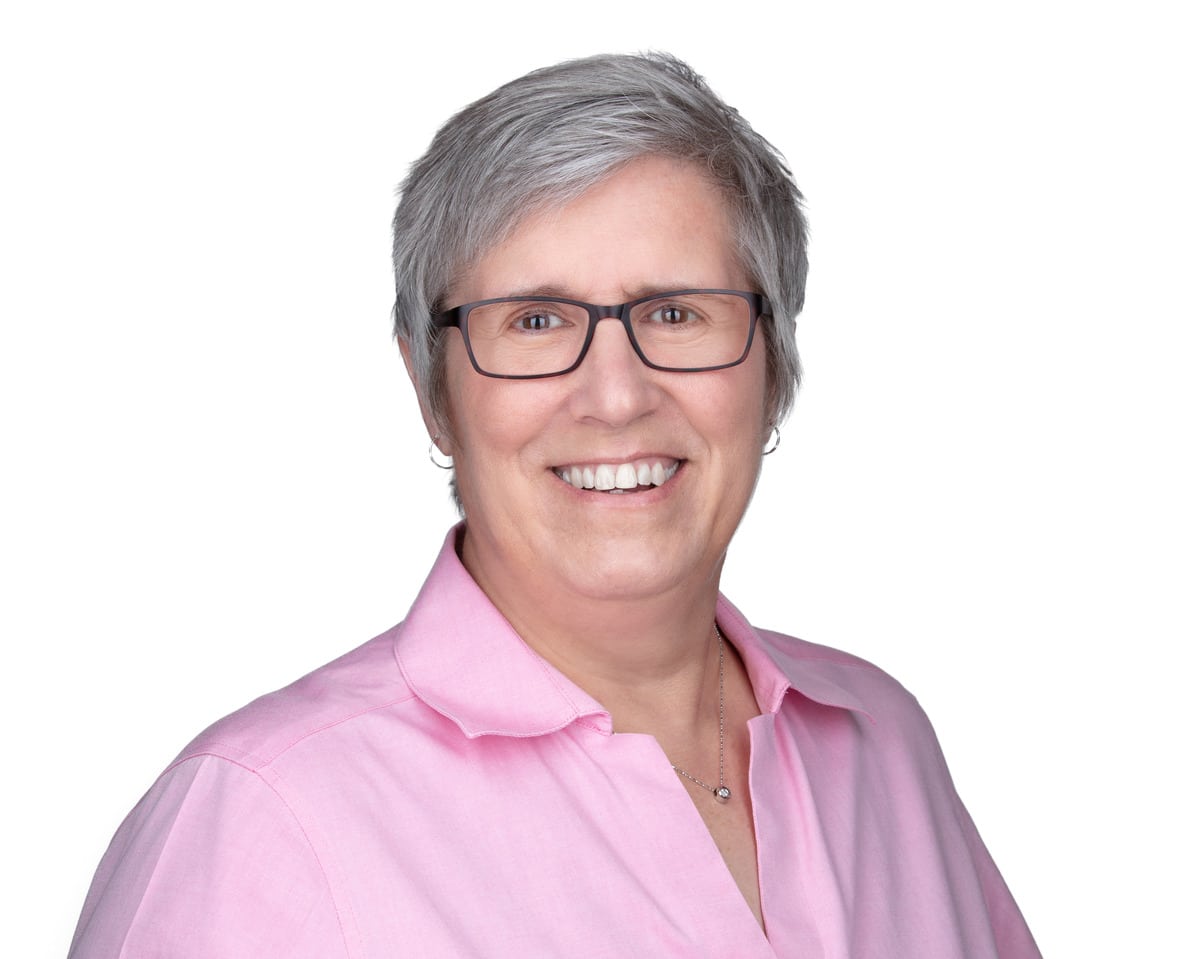



About Dr. Keeton
Deciding to start therapy usually means admitting something you’ve been working hard not to admit. I know that’s not a small thing — and I have a lot of respect for anyone willing to sit down and be in the presence of their own discomfort rather than keep moving fast enough to outrun it.
My style is fairly direct. I’ll help you name what has hurt, current and past, because things that stay unnamed tend to keep running the show from somewhere out of sight. From there the work is practical: less pain to carry, relationships that feel better to be in, and a steadier sense that you’re someone worth being kind to.
“I’d like you to leave therapy able to hold your strengths, your vulnerabilities, and your values as parts of the same person — not as evidence for and against yourself.”
Paula Keeton, Ph.D., Therapist Charlotte
My Approach
I work from acceptance and commitment therapy, which starts from an unpopular but freeing premise: the goal isn’t to stop having painful thoughts and feelings. It’s to stop organizing your entire life around avoiding them, so you can spend that energy on what actually matters to you. Alongside that I work interpersonally — most of what wears people down happens between people, not inside a vacuum — and from a feminist orientation, which simply means I take seriously that some of what you’re struggling with was handed to you rather than generated by you. Not everything that hurts is a personal failing.
In sessions I lean toward exploration rather than a set agenda, and I’ll challenge you somewhat more than I’ll soothe you. That isn’t coldness — it’s respect. If you’ve come this far, you probably don’t need someone to tell you it’s fine. You need someone willing to look at it with you and say what they see.
Interested in working with Dr. Keeton?
Take the first step — we’ll help you get started.
I’ve spent much of my career on the other side of this work as well: directing college counseling centers, teaching as adjunct faculty in a counseling psychology program, and publishing peer-reviewed research on mental health and psychotherapy. What that gives you is a therapist who has thought carefully about what actually helps, and who is comfortable saying when something is outside my scope. I work often with people navigating life transitions, questions of sexual orientation and identity, and the particular weight women carry in midlife — and my own first degree was in theology, which is part of why questions of meaning and spirituality never feel off-topic to me.
If you want someone who will be straight with you, take your discomfort seriously, and help you build a life shaped around what you actually value — I’d be glad to do that work with you.
Educational Background
Common Questions
The first few sessions are mostly about two things: building enough trust that you can be honest with me, and my getting a solid picture of what’s actually going on and what you’re hoping for. I won’t rush that. Once we have it, we start strategizing — figuring out what needs to change and what you’re willing to try. You should leave the first session knowing what you’re in for, and whether I’m the right person to do it with.
It’s a way of working that stops treating difficult feelings as problems to be eliminated. Most of us spend enormous energy avoiding what’s painful, and that avoidance costs more than the pain does. ACT helps you make room for the hard stuff and then get clear on what you actually value, so your choices start following that instead of following avoidance. In practice it’s less about feeling better and more about living better, which usually leads to feeling better anyway.
It means I pay attention to context. Some of what brings people to therapy isn’t produced by them — it comes from how power, expectation and inequity work in the world they’re living in. Treating that as a personal defect is both inaccurate and unhelpful. It doesn’t mean I’ll tell you what to think, or that this is only for women. It means I won’t ask you to fix something in yourself that is actually a reasonable response to your circumstances.
Both. I see clients at our Charlotte office and by secure video, and many people move between the two depending on the week — some work is better in a room together, and some weeks the honest choice is the session that actually happens. I’m licensed in North Carolina and New York, and I hold PSYPACT authorization, which lets psychologists work with clients located in other participating states. What matters for video sessions is where you physically are at the time, so tell me if you travel or move.
Ready — or still deciding?
Either way, we’ll make it easy. Get started with Dr. Keeton directly, or tell us what you’re looking for and we’ll connect you with the right therapist. Takes a few minutes — no commitment.



Transparent Pricing & Insurance Support
Life in DC can be complicated. Insurance paperwork shouldn’t be. We handle the paperwork to make reimbursement simple.