
Why Do I Feel This Way After Giving Birth? Understanding Birth Trauma
Last updated: November 2025
Birth trauma affects between 25 and 34 percent of women, making it far more common than many people realize. If you’re struggling with anxiety, flashbacks, or difficulty connecting with your baby after childbirth, you’re not alone—and what you’re experiencing has a name. Birth trauma therapy can help you process these feelings and move toward recovery.
You’re Not Alone: Birth Trauma Is More Common Than You Think

Birth trauma is an umbrella term for significant physical and emotional distress experienced during or after childbirth. Between one-quarter and one-third of birthing parents report their births as traumatic—yet many suffer in silence, believing they should just feel grateful for a healthy baby.
The aftermath of birth trauma often goes unspoken, with many new parents feeling isolated in their distress due to societal expectations. You might feel pressure to be happy while experiencing intrusive thoughts, panic attacks, or extreme alertness around your baby.
In our South End practice, we often meet parents who worry they’re “making too much” of their birth experience. We remind them that trauma isn’t measured by others’ opinions—it’s about your emotional reality. Two people can have identical births and feel completely different about them. If you’re struggling, that struggle is real and worth addressing, regardless of whether your baby is healthy or how others view your birth.
Why Some Births Feel Traumatic While Others Don’t
The subjective nature of birth trauma means that two individuals can experience the same event but have entirely different emotional responses. What makes a birth traumatic isn’t always about medical complications—it’s about how the experience felt to you.
Factors that contribute to birth trauma include:
- Life-threatening complications during delivery
- Unexpected medical interventions like an emergency c section
- Feelings of powerlessness during labor
- Lack of informed consent or communication from medical staff
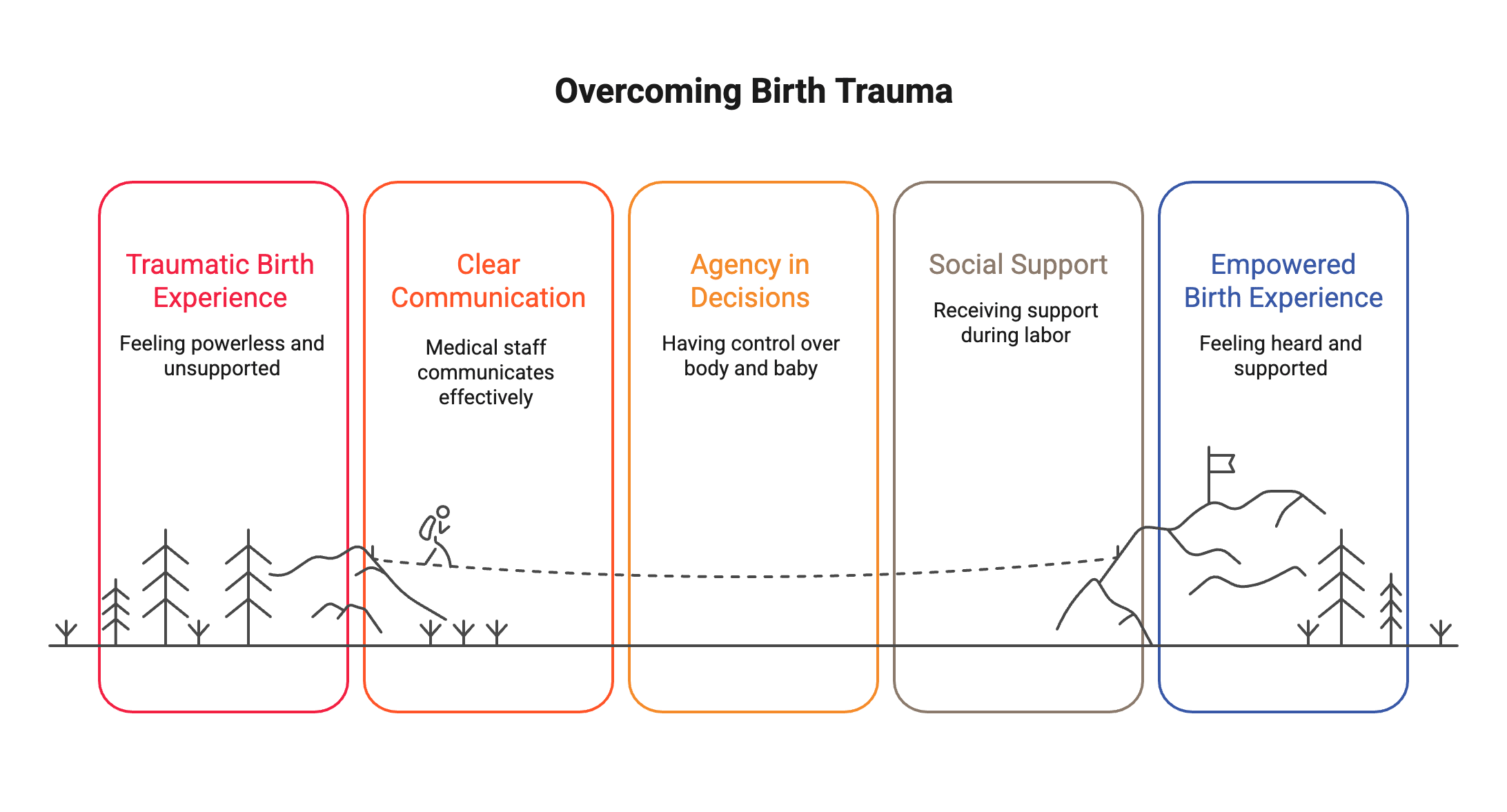
The perception of being supported during childbirth can influence the emotional outcome of the experience. When you don’t have agency in decisions about your body and baby, the birth experience can feel violating rather than empowering.
What Is Birth Trauma?
Birth trauma is psychological or emotional distress that occurs during or after childbirth, which can result from actual or potential injury or death to the birthing parent and/or the baby. This can lead to symptoms like nightmares, intrusive memories, anxiety, depression, and a sense of detachment after giving birth.
Sometimes these symptoms are part of post traumatic stress disorder (PTSD), but birth trauma therapy can help even if you don’t have a formal diagnosis.
Birth Trauma vs. Postpartum Depression: What’s the Difference?
While both conditions affect mental health after giving birth, they’re distinct experiences. Postpartum depression involves persistent sadness, loss of interest in activities, and difficulty with everyday tasks. Birth trauma, on the other hand, centers on specific traumatic memories from the birth itself.
That said, they often overlap. Many people who experienced birth trauma also develop postpartum depression or postpartum anxiety, as the psychological distress from childbirth trauma can affect both the mother and her overall mental health during the postpartum period.
Signs You May Be Experiencing Birth Trauma
You might be dealing with birth trauma if you notice intrusive thoughts about the birth, avoidance of discussions about the event, or excessive worry about the baby’s well-being. Other symptoms include:
- Flashbacks to the delivery that feel vivid and overwhelming
- Panic attacks when reminded of the birth
- Physical pain that seems connected to traumatic memories
- Avoiding medical appointments or healthcare professionals
- Difficulty sleeping even when your baby is sleeping
How Birth Trauma Affects Your Daily Life
Birth trauma can have a ripple effect on your life. You might find yourself constantly checking on your baby, struggling with concentration, or feeling anxious about routine tasks. Some parents report feeling disappointed in themselves or their bodies, carrying feelings of shame or anger about how the birth unfolded.
The emotional distress can make it difficult to focus on practical support tasks or self care, leaving you feeling overwhelmed by basic responsibilities.
Impact on Bonding With Your Baby
Difficulty bonding with your infant is one of the most painful symptoms of birth trauma. You might feel emotionally numb around your baby, experience guilt about not feeling the “instant love” you expected, or feel afraid of your baby as a reminder of the traumatic event.
This doesn’t mean you’re a bad parent—it means you need mental health support to process what happened. Research shows that birth trauma therapy improves bonding between parents and infants. Parents who experienced birth trauma may also struggle with difficulty forming secure attachment patterns, which therapy can help address.
We frequently see parents who feel intense guilt about not bonding immediately with their babies. They describe feeling numb or even afraid when they look at their child. This is one of the most painful aspects of birth trauma, but it’s also one of the most treatable. Once parents process the traumatic memories through therapy, the emotional space for connection opens naturally. Bonding difficulties don’t mean you’re broken—they mean you need support.
Why Do Some People Experience Birth Trauma?
Birth trauma can stem from various circumstances during labor and delivery. Birth complications like shoulder dystocia, hemorrhage, or the need for emergency interventions can create a sense of life-threatening danger. Physical injury to either parent or baby—from minor bruising to nerve damage—adds to the trauma.
Feeling Powerless or Unsupported During Birth
Medical staff who don’t communicate clearly, feeling unheard by healthcare professionals, or lacking social support during labor can all contribute to traumatic childbirth. When you don’t have agency in decisions about your body and baby, the experience can feel violating. These experiences can also impact your sense of self-worth long after delivery.
Previous Trauma and Risk Factors
Childhood experiences of trauma, previous pregnancy loss or infant loss, and existing mental health conditions can increase vulnerability to birth trauma. If you had pregnancy complications or already struggled with anxiety, you may be at higher risk.
What Happens If Birth Trauma Goes Untreated?
Without treatment, birth trauma symptoms can persist for years, affecting your ability to bond with your child and your overall quality of life. The experience of birth trauma can affect family dynamics and relationships, leading to feelings of isolation and disconnection among parents.
Long-Term Effects on Mental Health
Untreated birth trauma can lead to:
- Chronic post-traumatic stress disorder (PTSD) symptoms
- Persistent postpartum anxiety or depression
- Difficulty with intimacy or trust in relationships
- Fear of medical attention for yourself or your children
Impact on Future Pregnancies
Fear of giving birth again can prevent some individuals from having more children, even if they wanted a larger family. For those who do become pregnant again, unresolved trauma can create anxiety throughout pregnancy. Therapy can provide a safe space to process previous trauma before another pregnancy.
What Is Birth Trauma Therapy?
Birth trauma therapy uses evidence-based psychological interventions to help you process traumatic memories, reduce symptoms, and reconnect with yourself and your baby. Research shows that trauma-focused therapies are effective in reducing symptoms of PTSD, anxiety, and depression following childbirth.
The goal of treating birth trauma isn’t to make you forget what happened—it’s to help you process the experience so it no longer controls your emotional life.
Trauma-Focused Cognitive Behavioral Therapy (CBT)
Trauma-Focused Cognitive Behavioral Therapy helps individuals reframe negative thought patterns related to traumatic events and develop coping strategies. In therapy sessions, you’ll identify unhelpful beliefs about the birth (like “I failed” or “My body betrayed me”) and learn to replace them with more balanced perspectives.
TF-CBT also teaches practical coping strategies and relaxation techniques to manage distress, helping you regain a sense of control over your life.
Eye Movement Desensitization and Reprocessing (EMDR)
EMDR therapy is gaining popularity in the perinatal mental health world for treating birth trauma. Eye movement desensitization and reprocessing uses bilateral stimulation—guided eye movements—while you recall distressing memories. This helps the brain process traumatic memories and reduce their emotional intensity.
Recent research shows that EMDR therapy reduces symptoms of PTSD, depression, and anxiety after traumatic birth, with improvements appearing in just a few sessions. EMDR stands out because it often works faster than traditional talk therapy.
Other Supportive Approaches
Individual counseling provides a safe space to openly discuss the traumatic birth experience and explore feelings with a trained therapist. Group therapy can offer connection and validation for those who have experienced similar birth traumas. Some therapists also incorporate mindfulness practices, body-based therapies, and couples therapy to address the full scope of healing.
How to Recover from Birth Trauma
Recovery from birth trauma begins with acknowledging that what you experienced was real—even if others tell you “everything turned out fine.” Seeking professional help from a therapist specializing in maternal mental health is vital for recovery.
The healing process looks different for everyone, but most people find that a combination of trauma therapy, social support, and self care helps them overcome birth trauma. You don’t have to wait months or years to start treatment—early intervention can prevent symptoms from becoming more severe.
What to Expect in Birth Trauma Therapy
Therapy usually involves meeting with a trained therapist for 60-90 minutes, once or twice a week, for several weeks. Your therapist will help you tell your birth story in a way that feels safe, identify triggers that bring up traumatic memories, and develop tools to manage anxiety and other symptoms.
Some therapies can be done online, making mental health services more accessible for new parents who have difficulty leaving home with a new baby.
Here in Charlotte, we’ve learned that the parents who benefit most from birth trauma therapy are often those who start treatment sooner rather than later. Early intervention prevents symptoms from becoming entrenched. Many parents tell us they wish they’d reached out months earlier instead of trying to “tough it out.” If you’re questioning whether therapy might help, that question itself is usually a sign that reaching out makes sense.
What Is the 5-5-5 Rule After Birth?
The 5-5-5 rule is a traditional postpartum recovery guideline suggesting you spend 5 days in bed, 5 days on the bed, and 5 days near the bed. While this isn’t about birth trauma treatment, it recognizes that your body and mind need time to heal after giving birth.
For those experiencing birth trauma, giving yourself permission to rest and seek practical support during the postpartum period is essential. Recovery isn’t just physical—it’s emotional too.
Moving Forward
If you’re struggling after childbirth, reaching out for help is a sign of strength, not weakness. Birth trauma therapy has helped thousands of parents process their experiences and reconnect with joy in their lives. Recovery is possible, and you deserve support.
Find Birth Trauma Therapy in Charlotte
At Therapy Group of Charlotte in South End, our therapists understand the unique challenges of birth trauma and perinatal mental health. We offer evidence-based treatment including EMDR therapy and trauma-focused CBT to help you heal. Contact us today to schedule a consultation and take the first step toward recovery.
This blog provides general information and discussions about mental health and related subjects. The content is not intended to be a substitute for professional medical advice, diagnosis, or treatment. Always seek the advice of your physician or other qualified health provider with any questions you may have regarding a medical condition.

