

Do you find yourself frequently worried about having a serious illness, even when doctors tell you everything is fine? Illness anxiety disorder is a mental health condition marked by persistent and excessive worry about having or developing a serious medical illness, even when physical symptoms are minimal or absent.This preoccupation with health can interfere with daily life, work, and relationships, causing real distress even when medical evaluations come back normal.
If you spend hours researching symptoms online, frequently check your body for signs of disease, or feel unable to trust reassuring test results, you’re not alone. This form of illness anxiety affects men and women equally and is more common than many people realize. While illness anxiety may share some features with obsessive compulsive disorder, panic disorder, or generalized anxiety disorder, the American Psychiatric Association distinguishes illness anxiety as a separate condition within the category of mental disorders. People with illness anxiety experience their symptoms differently than those with other related disorders like body dysmorphic disorder, which centers on perceived appearance flaws rather than disease fears.
What Is Illness Anxiety Disorder?
Illness anxiety disorder (IAD) is a condition where a person experiences intense fear and preoccupation with having or acquiring a serious, undiagnosed medical condition. Unlike other anxiety disorders that involve worry about many different things, illness anxiety is focused on health concerns. Illness anxiety, which is persistent worry focused on health, continues for at least six months and persists despite normal physical examinations and negative test results.
According to the Diagnostic and Statistical Manual of Mental Disorders (DSM-5), published by the American Psychiatric Association, the key feature distinguishing illness anxiety disorder from general health concerns is the severity and persistence of the anxiety, along with how much it disrupts your functioning. People with illness anxiety disorder experience persistent fear of serious medical illness despite normal physical examination and laboratory testing that shows no concerns. You might interpret normal body sensations—like a headache, muscle twitch, or digestive rumble—as signs of a serious disease, and no amount of medical reassurance seems to ease your fears for long.
The Diagnostic and Statistical Manual categorizes illness anxiety disorder based on specific clinical characteristics. People with illness anxiety present with medically unexplained symptoms—minor bodily sensations that medical tests cannot attribute to any serious medical condition. A childhood illness or serious childhood illness in the family can sometimes predispose someone to developing illness anxiety disorder later in life.
Illness anxiety disorder emerges in early adulthood, though it can develop at any age. People with illness anxiety disorder have one of two response patterns: some become “care-seeking,” visiting multiple doctors and requesting repeated tests, while others become “care-avoidant,” staying away from medical appointments out of fear of what they might discover.
What Is the Main Feature of Illness Anxiety Disorder?
The main feature of illness anxiety disorder is a preoccupation with having or acquiring a serious medical illness that persists despite appropriate medical evaluation and reassurance. This isn’t just casual worry or reasonable health concern—it’s an all-consuming focus that takes up mental energy and time.
What makes illness anxiety disorder distinct:
- You have few or no actual physical symptoms, or only mild ones
- Your health anxiety has persisted for at least six months
- You experience high levels of health anxiety about your health status
- You engage in excessive health-related behaviors, like repeatedly checking your body for signs of illness or frequently researching symptoms online
- Your worry may interfere with work, sometimes requiring time off and affecting occupational functioning
- Alternatively, you might avoid medical care entirely due to intense fear
In our practice in Charlotte, we see clients who describe feeling trapped in a cycle of worry about their health. They tell us they logically understand their doctor’s reassurances, but emotionally, they can’t shake the fear that something is being missed. This disconnect between what they know intellectually and what they feel emotionally is one of the most distressing aspects of illness anxiety disorder, and it’s precisely what makes professional treatment so valuable.
Illness anxiety is distinct from generalized anxiety disorder and other anxiety disorders because the worry centers on medical concerns rather than broader life worries. The anxiety centers on a specific illness—perhaps cancer, heart disease, or a neurological condition—though the focus may shift over time. You might notice yourself seeking reassurance from family members, healthcare providers, or online forums, but any relief you feel is short-lived, sometimes lasting only minutes or hours before the worry returns. This constant worry can strain relationships and contribute to feelings of isolation and loneliness, when partners or family members struggle to understand the intensity of your concerns.
Those with care-seeking patterns may schedule frequent medical appointments, undergo repeated medical tests, or switch between healthcare providers seeking answers. Despite normal physical exams and reassurance from their primary care provider, people with illness anxiety disorder continue to worry about developing a life threatening illness or serious disease.
How Illness Anxiety Differs From Normal Health Concerns
Everyone worries about their health sometimes, after reading about a new disease or experiencing an unusual symptom. The difference with illness anxiety disorder lies in the intensity, duration, and impact of these worries. Normal health concerns fade when you receive appropriate medical evaluation and reassurance. With illness anxiety disorder, the worry persists and may even intensify after receiving negative test results.
If you identify as a highly sensitive person, you may be more attuned to bodily sensations, which doesn’t automatically mean you have illness anxiety disorder but could increase vulnerability to it.
What Is the Difference Between Illness Anxiety Disorder and Somatic Symptom Disorder?
The primary difference is that people with illness anxiety disorder have few or no physical symptoms, while those with somatic symptom disorder experience significant physical symptoms that cause distress. Both conditions involve health anxiety, but the presence and severity of actual physical sensations distinguishes them.
In illness anxiety disorder, the focus is on the fear of having a disease rather than on distressing physical symptoms. You might have mild or minimal somatic symptoms—perhaps an occasional headache or brief muscle tension—but your anxiety about what these symptoms might mean far exceeds the symptoms themselves. According to the American Psychiatric Association, your preoccupation centers on the possibility of having a serious medical condition rather than on relief from physical discomfort.
The key distinction: in illness anxiety disorder, somatic symptom presentation is minimal or absent. Someone might notice minimal somatic symptoms like slight muscle tension, but their distress comes from fearing these signal a serious medical condition rather than from the physical sensations themselves. Both conditions can affect social and occupational functioning, but illness anxiety disorder centers on disease conviction rather than symptom burden.
In contrast, somatic symptom disorder involves one or more physical symptoms that are distressing or disrupt daily life, with excessive thoughts, feelings, or behaviors related to those symptoms. Someone with somatic symptom disorder seeks medical care primarily for symptom relief, while someone with illness anxiety disorder seeks care for reassurance about the feared serious illness.
Both illness anxiety disorder and somatic symptom disorder require professional evaluation and can occur alongside depression and other mental health conditions. Both are classified among anxiety disorders and mental disorders. The distinction matters because treatment approaches, while overlapping, may emphasize different therapeutic techniques.
How to Deal With Illness Anxiety Disorder
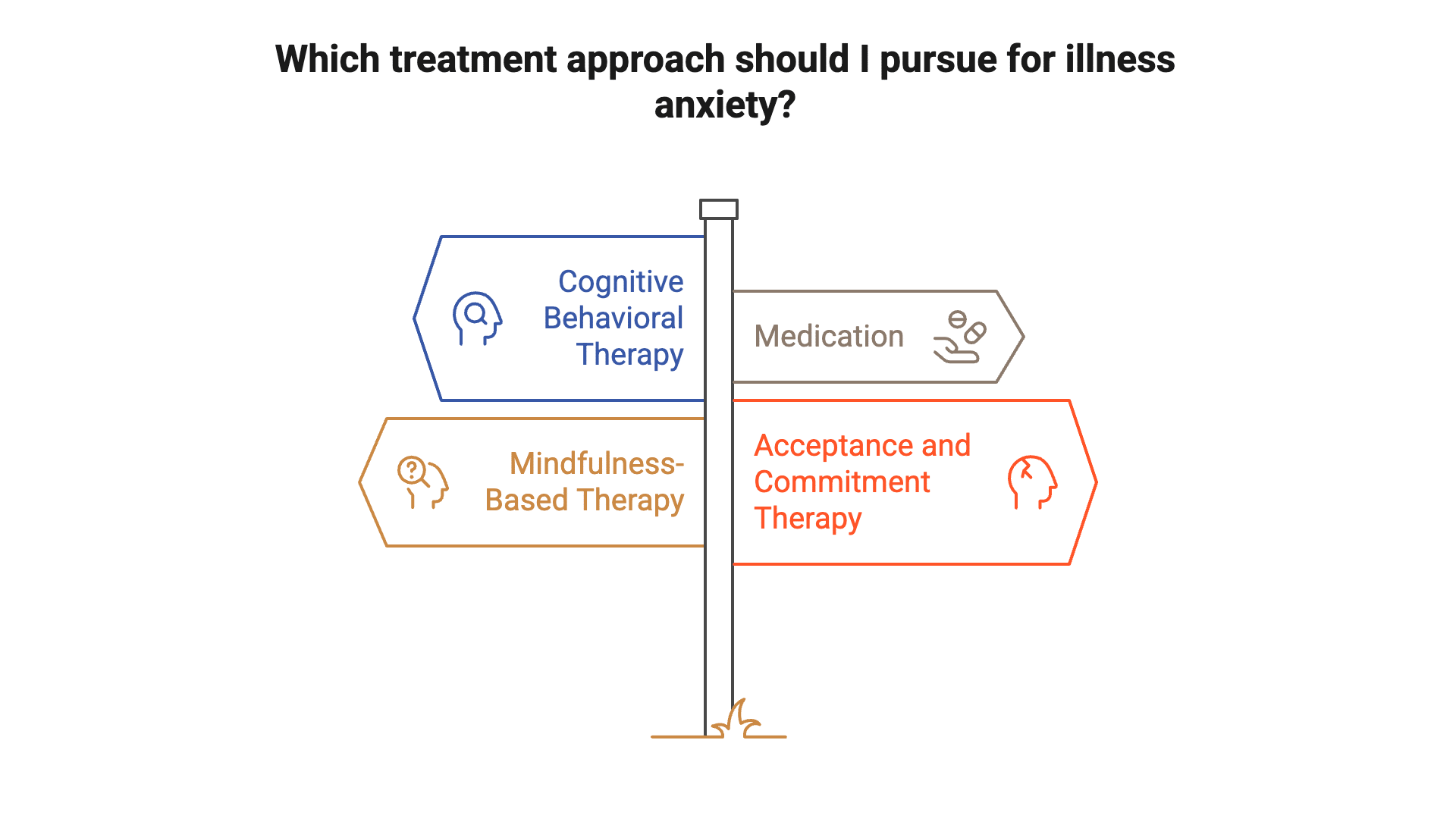
Anxiety disorders, including illness anxiety disorder, respond well to evidence-based treatments. Cognitive behavioral therapy (CBT) is one of the most effective treatments for illness anxiety disorder, helping you change the patterns of thinking and behavior that maintain health anxiety. If you’re searching for anxiety treatment Charlotte options, cognitive behavioral therapy has strong research support. Research shows that CBT can reduce symptoms and improve quality of life for people with illness anxiety.
What CBT for Illness Anxiety Involves
In cognitive behavioral therapy for illness anxiety disorder, you work with a mental health professional to identify and challenge catastrophic thoughts about your health. Your therapist helps you recognize how checking behaviors and reassurance-seeking reinforce your anxiety rather than relieve it. A randomized controlled trial found that both internet-based and face-to-face cognitive behavior therapy reduced health anxiety, with effects lasting long after treatment ended.
Treatment includes:
- Cognitive restructuring: Learning to identify and challenge distorted thoughts about health and serious disease
- Exposure therapy: Reducing checking behaviors and facing feared health-related situations
- Response prevention: Resisting the urge to seek reassurance or perform body checks
- Mindfulness techniques: Accepting bodily sensations without immediately interpreting them as dangerous
Other Treatment Options for Anxiety Disorders
While psychotherapy is the first-line treatment, medications may also help, if you have co-occurring depression or other anxiety disorders. Selective serotonin reuptake inhibitors (SSRIs) and other antidepressants can reduce the intensity of anxious thoughts and make it easier to engage in therapy. If prescribed antidepressants, maintenance treatment continues for 6 to 12 months to prevent symptom return.
Mindfulness-based cognitive therapy combines traditional CBT with mindfulness practices, helping you observe your thoughts and bodily sensations without immediately reacting to them. This approach can be helpful for illness anxiety and other anxiety disorders. Acceptance and Commitment Therapy, a form of commitment therapy, helps you accept anxious thoughts without letting them control your actions, which can be valuable for illness anxiety.
We work with Charlotte professionals who’ve been struggling with illness anxiety, sometimes for years before seeking help. One pattern we observe is that clients improve most when they commit to reducing reassurance-seeking behaviors—even though this feels counterintuitive at first. As treatment progresses and they learn to tolerate uncertainty about their health, they tell us they feel more in control of their lives than they have in years.
Building a Supportive Care Plan
Establishing a relationship with a trusted primary care provider is crucial. Rather than seeing multiple medical professionals seeking different opinions, working with one healthcare provider helps avoid the cycle of unnecessary medical tests that can reinforce your anxiety about your health. Your primary care physician can coordinate with your mental health professional to provide appropriate care without feeding into excessive health-related behaviors. Regular follow-ups with healthcare providers help reduce the urge for unnecessary medical visits while ensuring appropriate care. Part of recovery involves learning about normal bodily functions so everyday sensations don’t trigger fear.
Working with clients on illness anxiety, we’ve learned that establishing trust with one primary healthcare provider makes a difference. Many people tell us they’ve seen multiple doctors hoping someone will finally discover what’s wrong, only to feel more anxious when tests come back normal. We help clients understand that this pattern, while understandable, maintains the cycle of worry. Building a consistent relationship with one provider who understands your history allows for more effective, collaborative care.
Your treatment for illness anxiety should include education on how anxiety works and how normal bodily sensations can be misinterpreted. In a city like Charlotte, where many people are transplants building new support networks in South End and surrounding neighborhoods, finding this kind of continuity in medical care can feel challenging but is essential for recovery. Your treatment team should understand that minimizing reassurance is therapeutic, even though it may feel uncomfortable initially.
When Should You Seek Professional Help?
If health worries are interfering with your work, relationships, or quality of life, it’s time to consult a mental health professional. Many people with illness anxiety initially seek help from their primary care provider, which is appropriate. Your doctor can rule out any actual medical conditions and then refer you to a therapist who specializes in anxiety disorders. Beyond the emotional toll, illness anxiety disorder can lead to financial strain from frequent healthcare visits and medical bills, making early intervention important.
You deserve support for illness anxiety. This condition is real, treatable, and responding to it with professional help isn’t weakness—it’s taking your mental health as seriously as your physical health. While research on long-term treatment outcome is still developing, many people with illness anxiety disorder improve over time with appropriate care.
Connect With Therapy Group of Charlotte
If you’re struggling with persistent health worries that won’t ease despite medical reassurance, our doctoral-level psychologists and master’s-level clinicians can help. Whether you’re looking for an anxiety therapist Charlotte NC or seeking evidence-based treatment, we specialize in treatments for anxiety disorders, including cognitive behavioral therapy for illness anxiety disorder. Reach out to schedule an appointment and take the first step toward feeling more at ease in your body and your life.
Common Questions About Illness Anxiety Disorder
Can illness anxiety disorder occur with other mental health conditions?
Yes, people with illness anxiety experience co-occurring psychiatric disorders. Illness anxiety disorder may appear alongside generalized anxiety disorder, panic disorder, obsessive compulsive disorder, or depression. Underlying anxiety disorders or other related disorders co-exist with illness anxiety, and comprehensive treatment should address all mental health concerns together. Your healthcare provider can assess for these conditions during evaluation.
How does childhood experience influence illness anxiety?
A serious childhood illness—either your own or a family member’s—can increase vulnerability to developing illness anxiety disorder. Growing up in an environment where health concerns dominated family life, or losing a parent to illness, may contribute to heightened health anxiety in adulthood. Individuals raised in families where health anxieties were discussed may be at higher risk, as they learned early to interpret bodily sensations as dangerous. However, not everyone with childhood illness experiences develops illness anxiety disorder, and the condition can emerge without such history.
What role do medical tests play in illness anxiety?
For people with illness anxiety, medical tests become part of a reassurance-seeking cycle. While your primary care provider may order tests to rule out actual medical conditions, repeatedly seeking medical tests can reinforce anxiety rather than relieve it. Learning to tolerate uncertainty about your physical health without pursuing medical care is an important part of treatment for illness anxiety disorder.
Is illness anxiety disorder recognized by major medical organizations?
Yes, illness anxiety disorder is formally recognized in the Diagnostic and Statistical Manual of Mental Disorders (DSM-5) published by American Psychiatric Association Publishing. The Statistical Manual of Mental Disorders distinguishes it from other anxiety disorders and related disorders based on its focus on disease preoccupation despite minimal physical symptoms. This recognition by the American Psychiatric Association means healthcare providers can diagnose and treat the condition using evidence-based approaches.
This blog provides general information and discussions about mental health and related subjects. The content is not intended to be a substitute for professional medical advice, diagnosis, or treatment. Always seek the advice of your physician or other qualified health provider with any questions you may have regarding a medical condition.